


Rust Preventive Oils: Types, Selection and Applications
A practical overview for engineers and buyers.
Rust preventive oil is a protective coating applied to metal surfaces to block moisture, oxygen and salts. It leaves a thin oily, waxy or dry-to-touch film that slows corrosion while parts are machined, stored or shipped, and it can be removed again before painting, plating, welding or assembly.
The main families
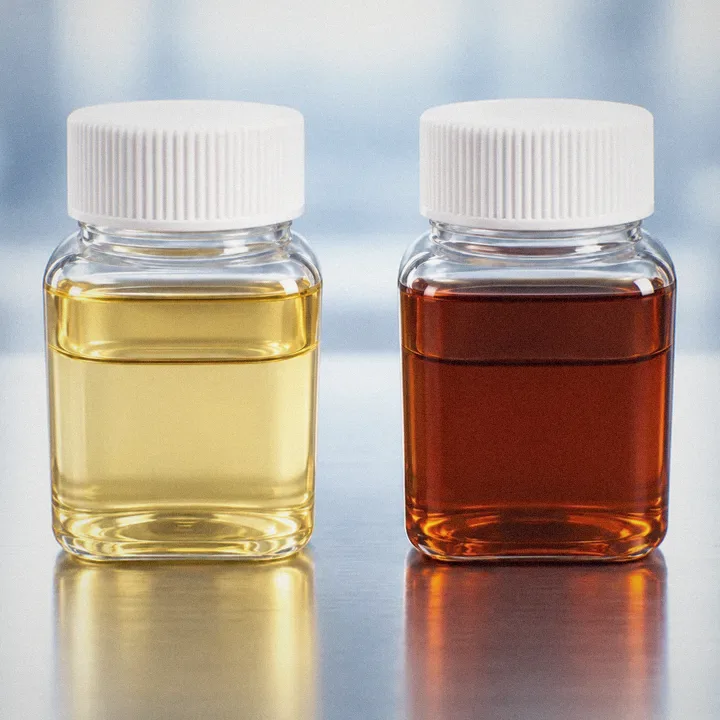
Fast-Drying Rust Preventive Oil
Thin, fast-drying protective films for in-process and finished parts.
Learn More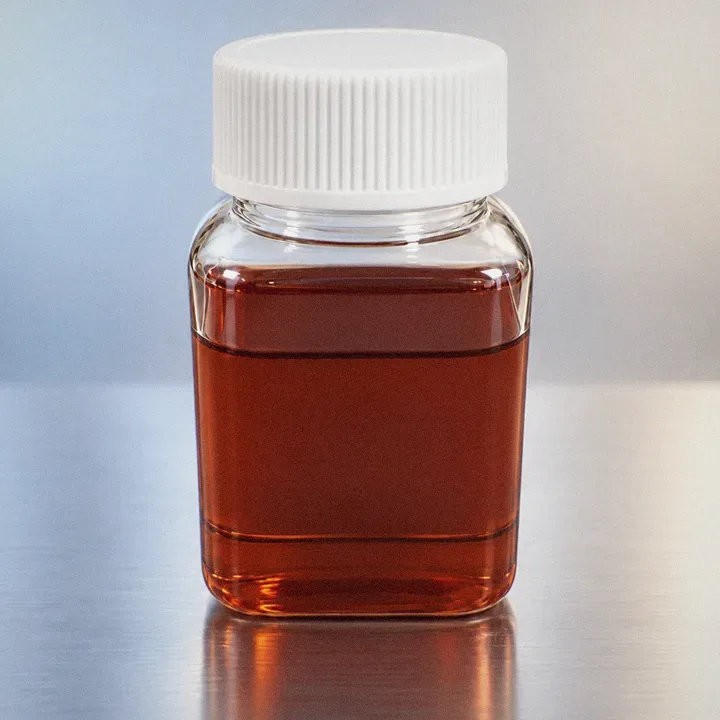
Long-Term Rust Preventive Oil
Multi-year protection for storage, export and heavy equipment.
Learn More
Water-Based Rust Inhibitors
Water-based in-process rust protection, developed on request.
Learn More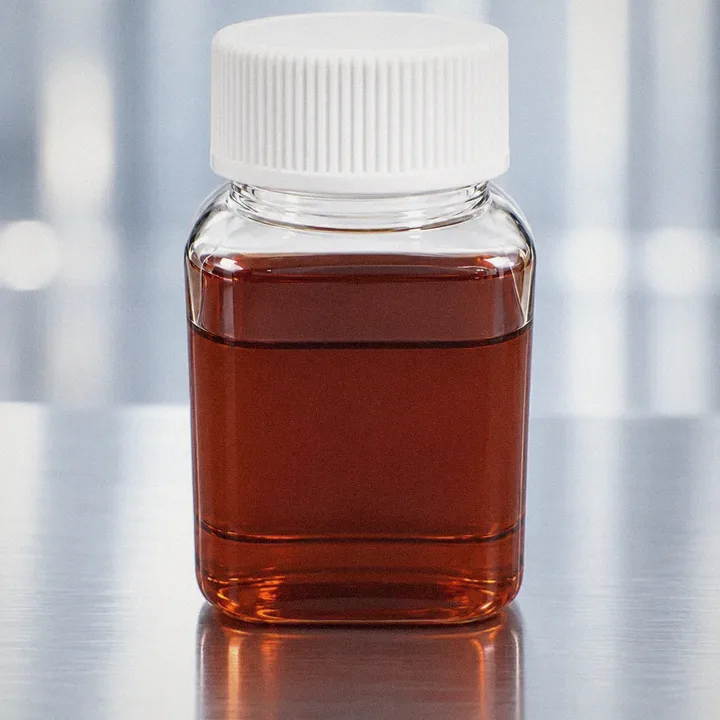
Water-Displacing Rust Preventive Oil
Displaces water from wet parts and leaves a protective film.
Learn More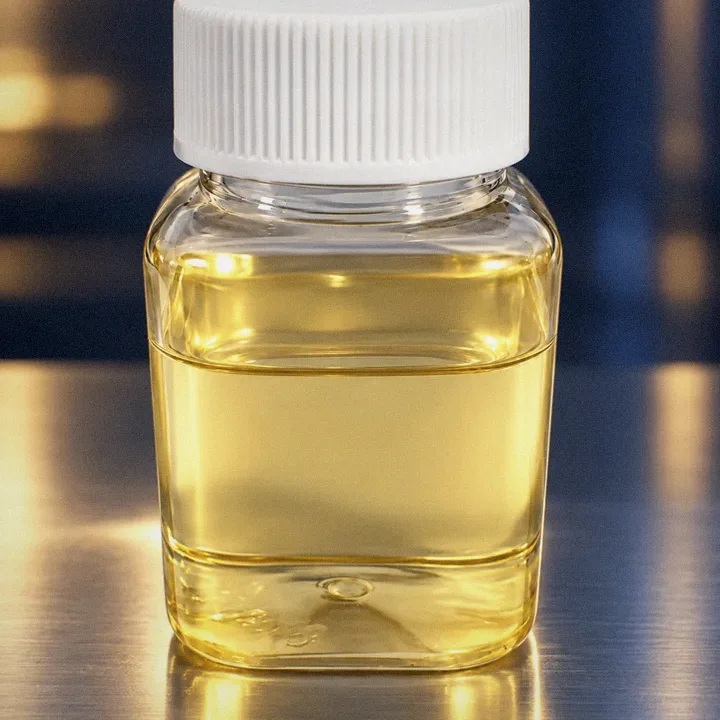
Specialty Rust Preventives
Hard-film protection for multi-metal parts, including magnesium alloys.
Learn MoreFour questions that decide the grade
Which metal?
Steel, cast iron, electrical steel, plated or phosphated surfaces, sintered parts and magnesium alloys each suit different grades.
How long must it last?
In-process protection needs a thin fast-drying film; storage and export need a long-term film.
What environment?
Indoor, humid, marine or export shipping conditions change the film you need.
How will it be applied?
Dip, spray or brush — and whether parts are wet, oily or clean when they reach the step.
Every grade at a glance
| Model | Humidity test (40 °C) | Salt spray test | Flash point | Density (specific gravity) | Typical coverage |
|---|---|---|---|---|---|
| KG-1 | 500 h | 24 h (steel) | 62 °C | 0.81 ± 0.01 | 35 m²/L |
| KG-2 / KG-3 | Not specified | KG-3: 18–24 h (No. 45 steel) | KG-3: 61–68 °C | KG-3: 0.80 ± 0.01 | — |
| KG-2A | 500 h | 48 h (steel) | 62 °C | 0.81 ± 0.01 | 35 m²/L |
| KG-2B / KG-3B | 500 h | 24 h (steel) | 62 °C | 0.81 ± 0.01 | 35 m²/L |
| KG-2C / KG-3C | 1,000 h | 96 h (steel) | 62 °C | 0.81 ± 0.01 | 35 m²/L |
| KG-4A / KG-4B | 1,000 h | 72 h (steel) | 62 °C | 0.81 ± 0.01 | 35 m²/L |
| KG-6 | 800 h | 48 h (steel) | 62 °C | 0.81 ± 0.01 | 35 m²/L |
| KG-8 | 1,000 h | 96 h (steel) | 32 °C | 0.81 ± 0.01 | 20 m²/L |
| KG-9 | 1,000 h | 100+ h (steel) | None | 0.81 ± 0.01 | 8 m²/L |
| KG-10 | 500 h | 24 h (steel) | 62 °C | 0.81 ± 0.01 | 35 m²/L |
| KGY-1 | 160 h | 8 h | 58 °C | 0.86 | 30 m²/kg |
| KGY-2 | 160 h | 8 h | 58 °C | 0.86 | — |
Frequently asked questions
What is rust preventive oil?
Rust preventive oil is a protective coating applied to metal surfaces to keep moisture, oxygen and salts away from the metal. It leaves a thin film — oily, waxy or dry-to-touch — that slows or prevents corrosion during processing, storage and transport.
How long does rust preventive oil last?
It depends on the product, film thickness, packaging and environment. KG-3 has a reference period of one year unpackaged and 3–5 years with plastic-bag packing; long-term grade KG-8 is rated for 3–5 years on precision parts. Real protection time is always set by storage conditions.
How do I choose a rust preventive oil?
Start with four facts: the metal (steel, cast iron, electrical steel, plated parts…), the required protection period, the environment (indoor, humid, marine, export shipping) and how you will apply it (dip, spray or brush). Then match a grade — for example KG-2B for cast iron or KG-8 for multi-year storage — and confirm with a short trial.
What is the difference between rust preventive oil and a rust inhibitor?
Rust preventive oils are oil- or solvent-based and leave a protective film on the part. Water-based rust inhibitors are used in water-based fluids such as cleaning baths, coolants and rinse stages to give short-term, in-process protection. Many plants use both: an inhibitor in process, a rust preventive oil for storage and shipping.
Can rust preventive oil be removed?
Yes. Solvent-based fast-drying films can be removed with solvent cleaners, and MOERY KG-3 film is easily removed in alkaline cleaning solutions. Confirm the cleaning method before a part goes to painting, plating or welding.
Is rust preventive oil suitable for export shipping?
Yes, when the grade and packing match the route. Sea freight exposes parts to condensation and salt-laden air, so use a long-term grade such as KG-8 or KG-9 and add a sealed plastic bag or VCI packaging where appropriate.
What rust preventive oil is suitable for automotive parts?
Cast-iron engine parts such as cylinder heads and liners suit KG-2B / KG-3B; plated or phosphated fasteners suit KG-2C / KG-3C; sintered parts suit KG-4A / KG-4B. See the Automotive application page for a full selection table.
How should parts be prepared before oiling?
Remove machining residue, salts and fingerprints, then rinse and dry thoroughly. Check blind holes and seams for trapped water. Confirm that the chosen grade is compatible with the metal and any surface treatment; trial the complete cleaning and application process on representative parts.
How should protected parts be packed and stored?
Allow the film to form before packaging. Choose clean, dry packaging suited to the storage period and route, seal it where appropriate, and protect parts from condensation, moisture and physical damage. Inspect samples periodically and adjust the process if the film or packaging is damaged.
Can MOERY customize rust preventive products?
Yes. MOERY develops customized formulations around a customer’s metal, process and protection period. Send us the application details and sample requirements and our engineers will propose a formulation and a test plan.

Not sure which grade fits?
Tell us the metal, the process and the protection period you need — a corrosion protection specialist will recommend a grade and arrange samples.